Interactive piano piece
Learn Ballade, Op. 100 No. 15
A dramatic 96-measure narrative étude in C minor that introduces storytelling through contrast, dynamics, and a modulation to the major. The interactive desk highlights each of the three contrasting sections in real time - use the section loop to master each episode separately before connecting the narrative arc from dark C minor through bright C major and back.
Browser MIDI check pending
Loading score...
Press Play for the full piece, or choose Opening and switch to Wait for note for guided right-hand practice.
About the piece
The longest and most dramatic piece in Op. 100 - a miniature sonata in three scenes.
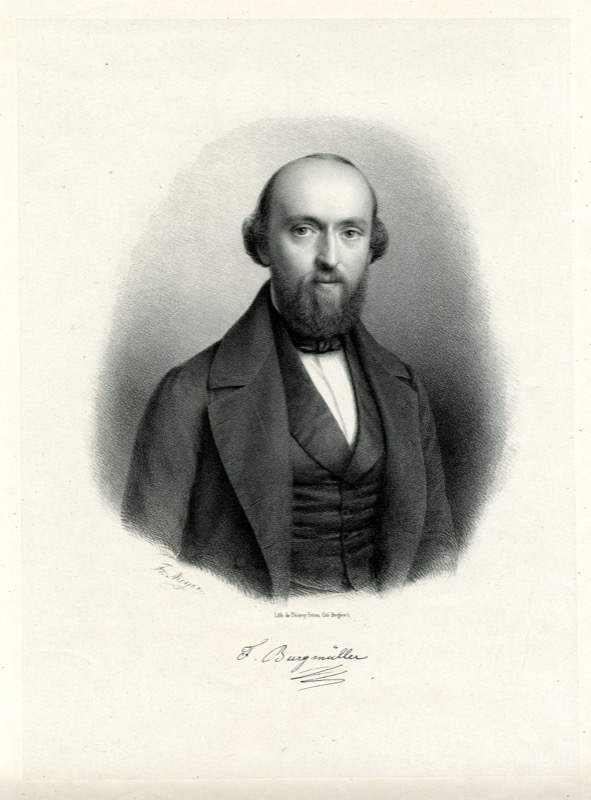
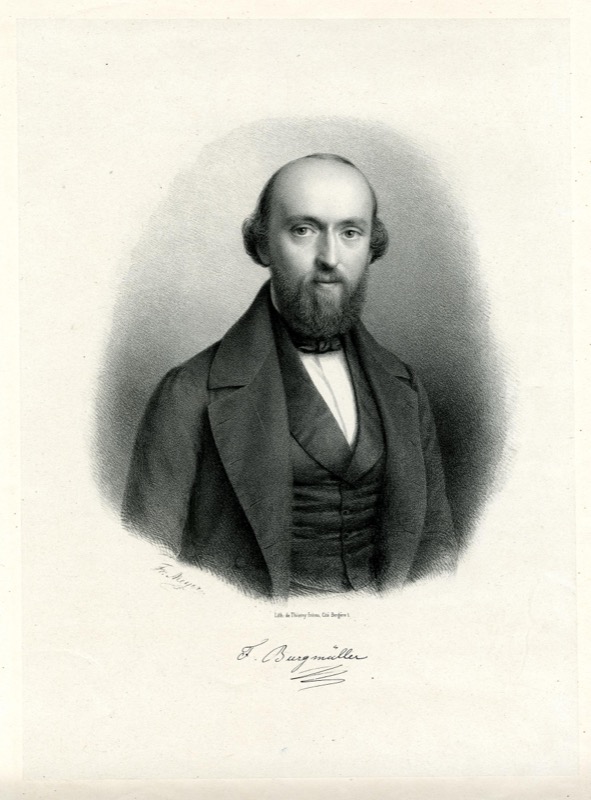
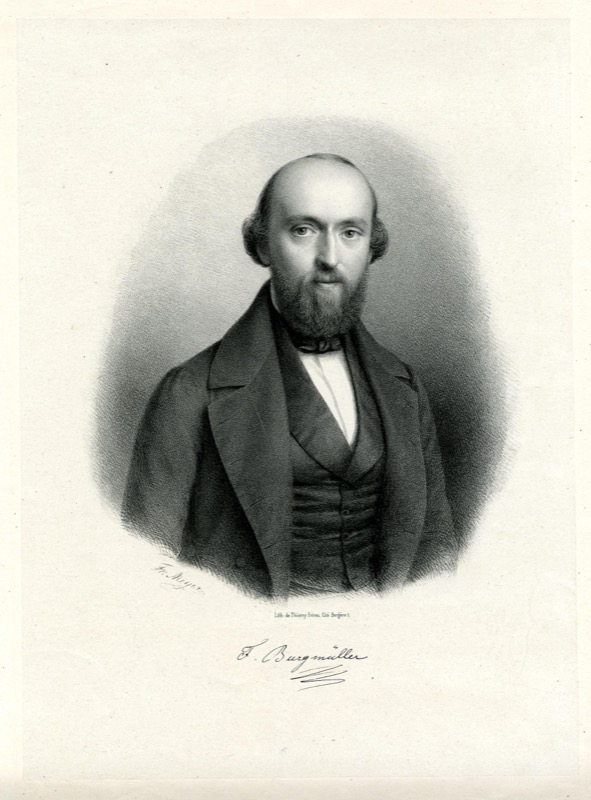
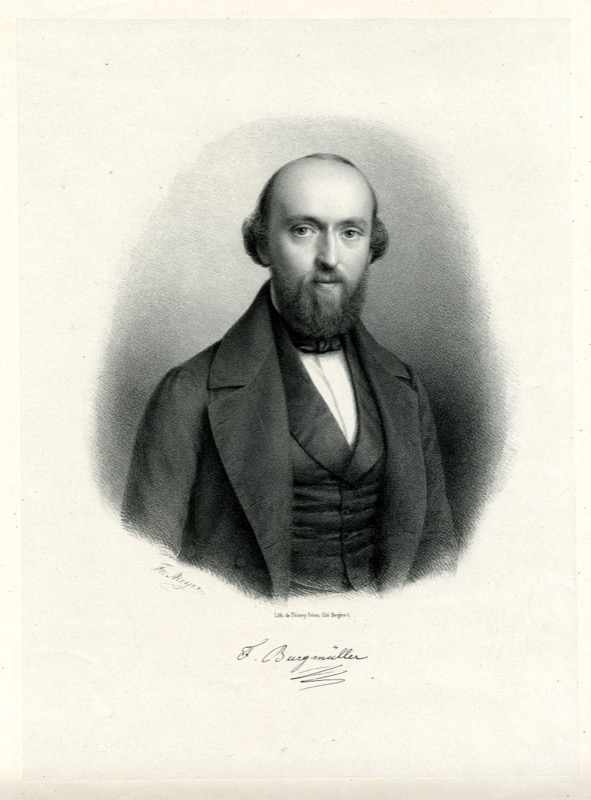
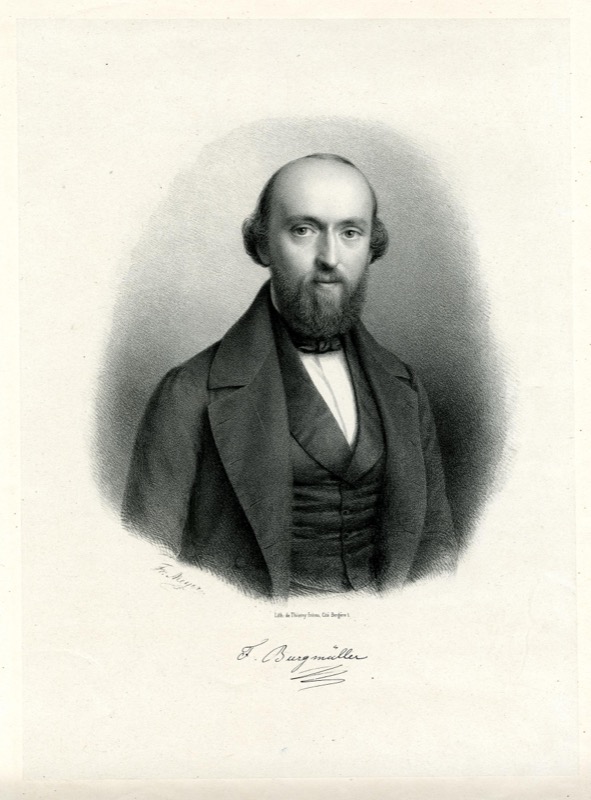
Burgmüller's 25 Études faciles Op. 100, published in Paris around 1838, are the world's most widely taught beginner étude collection. Most of its 25 pieces are compact and focused on a single technical point. The Ballade - No. 15 - is different: at 96 measures it is by far the longest piece in the set, and it tells a story in three sections.
A ballade is a narrative form - a piece that unfolds like a poem or a tale. Burgmüller builds his in C minor with a dark, agitated opening in 3/8 time; a contrasting central episode in C major that sounds like a moment of hope or remembrance; and a turbulent return to the minor that resolves only at the very end. This is the student's first experience of large-scale musical architecture: not just phrases and periods, but sections with distinct characters that must be performed differently from each other. The Ballade is where a beginner starts to think like a storyteller.

Practice path
Tell the three-part story before you memorize the notes.
Listen through the complete étude once and identify the three sections by ear: where does the mood change from dark to bright? Where does it return to dark? Once you can hear the three-act structure, learn each section separately with hands apart, then hands together, before connecting them. The transitions - especially the return from C major back to C minor - are the emotional peak of the piece and deserve extra slow looping.
Score basis: Generated MusicXML from Mutopia MIDI. Public domain composition; Public Domain (CC0) - Mutopia; MusicXML generated for Pianodemy. Attribution: Mutopia Project (https://www.mutopiaproject.org/cgibin/piece-info.cgi?id=227).
MIDI source: Mutopia Project (https://www.mutopiaproject.org/cgibin/piece-info.cgi?id=227). Public Domain (CC0) - Mutopia.
Questions
Before you practice.
Short answers for learners and for searchers deciding whether this is the right version to start with.
01Why is the Ballade the hardest piece in Burgmüller Op. 100?
It is the longest at 96 measures, involves the most dramatic dynamic range, and requires managing a key change from C minor to C major and back. It is rated late-beginner rather than beginner because of these demands.
02What does the C major section in the middle mean musically?
Burgmüller moves to C major to create contrast - the bright major key sounds like a moment of hope or calm inside the minor-key drama. Recognising this shift and reflecting it in your playing is the key expressive challenge.
How to use this V1
Three different characters, one piece.
Use the section loop to isolate the opening C minor section at 55% tempo until the rapid 3/8 figuration is clean and controlled. Then loop the C major middle section at a slightly warmer, more flowing character. Finally, connect all three sections at 70% and confirm that the contrast between sections is audible - a listener should hear the story change, not just the notes change. At 96 measures this is the largest practice challenge in Op. 100; divide it into two or three sessions rather than attempting the full piece in one.
Keep going