Interactive piano piece
Learn Mazurka in G-sharp minor, Op. 33 No. 1
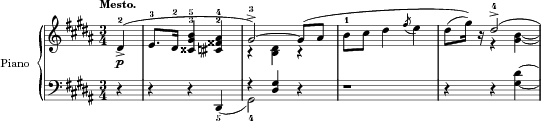
A quietly expressive 49-bar mazurka in G-sharp minor with a plaintive, searching quality - compact enough to learn fully, complex enough to reveal Chopin's deep feeling for Polish folk idiom. Loop sections in the interactive score and use the tempo slider to explore how the mazurka's characteristic dotted rhythms feel at different tempos - the dance only comes alive within a narrow range.
Browser MIDI check pending
Loading score...
Press Play for the full piece, or choose Opening and switch to Wait for note for guided right-hand practice.
About the piece
A mazurka in G-sharp minor - introspective even by Chopin's standards.
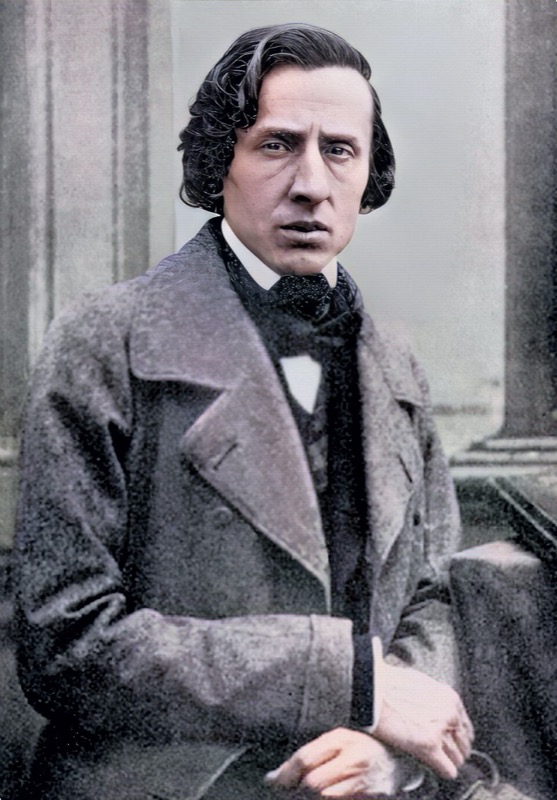
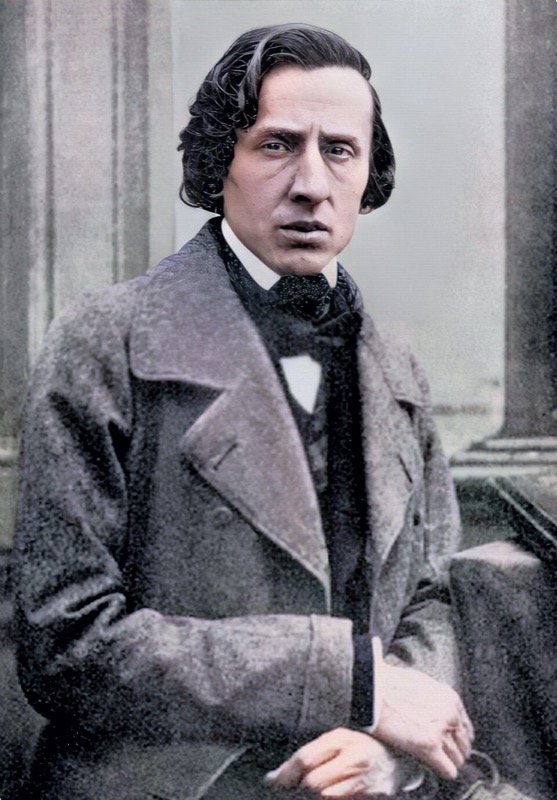
The four Mazurkas of Op. 33, published in 1838, mark a maturation in Chopin's handling of the form. The first, in G-sharp minor, is the quietest and most withdrawn of the set - a piece that stays close to a single idea and unfolds it with characteristic understatement. Where the Op. 6 mazurkas had a youthful, almost aggressive energy, Op. 33 No. 1 is reflective, the dance feeling contained rather than released.
By 1838 Chopin had been living in Paris for seven years and had not returned to Poland. The mazurkas of this period are often read as private communications with his homeland - music that performed Polishness for a composer who could no longer inhabit it in person. The G-sharp minor opening reinforces that reading: this is not celebratory dance music but something more like memory.
Practice path
Let the dotted rhythms breathe without over-accenting them.
The danger with mazurka rhythms is over-exaggeration - the dance accent must be felt, not hammered. At slow tempo, practise keeping the dotted note long without making the short note percussive; the lilt should come from timing, not from striking.
Score basis: Generated MusicXML from Mutopia MIDI. Public domain composition; Creative Commons Attribution 3.0; MusicXML generated for Pianodemy. Attribution: Mutopia Project (https://www.mutopiaproject.org/ftp/ChopinFF/O33/Mazurka-Op33-No1/).
MIDI source: Mutopia Project (https://www.mutopiaproject.org/ftp/ChopinFF/O33/Mazurka-Op33-No1/). Creative Commons Attribution 3.0.
Questions
Before you practice.
Short answers for learners and for searchers deciding whether this is the right version to start with.
01What is a mazurka and how is it different from a waltz?
Both are triple-time dances, but the mazurka accents beat 2 or 3 rather than beat 1, and often has a dotted, heel-stamping quality. Chopin also infuses his mazurkas with Polish modal scales and folk ornaments that give them a distinct regional flavour entirely absent from his waltzes.
02Is Chopin's Mazurka Op. 33 No. 1 good for intermediate pianists?
Yes - at 49 bars with a moderate tempo and largely simple textures, it is technically accessible. The learning curve comes from internalising the mazurka rhythm authentically and giving the plaintive melodic lines their proper character.
How to use this V1
Subtle accent, not heavy foot.
At 60% tempo, play through once and identify which beat you are naturally accenting - if it is beat one, the piece will sound like a waltz. Shift the weight to beat two and listen for the mazurka quality to emerge. Use wait-for-note mode to stabilise the harmonic rhythm before raising the tempo slider toward performance speed.
Keep going