Interactive piano piece
Learn Prelude Op. 28 No. 6
A slow, melancholic 26-bar prelude whose left hand carries a vocal melody while the right hand rocks a quiet accompaniment above it. Slow playback, section looping, and wait-for-note mode let you control exactly where the cello-like bass melody emerges from the right-hand accompaniment.
Browser MIDI check pending
Loading score...
Press Play for the full piece, or choose Opening and switch to Wait for note for guided right-hand practice.
About the piece
The prelude Chopin's students called the tolling bell.
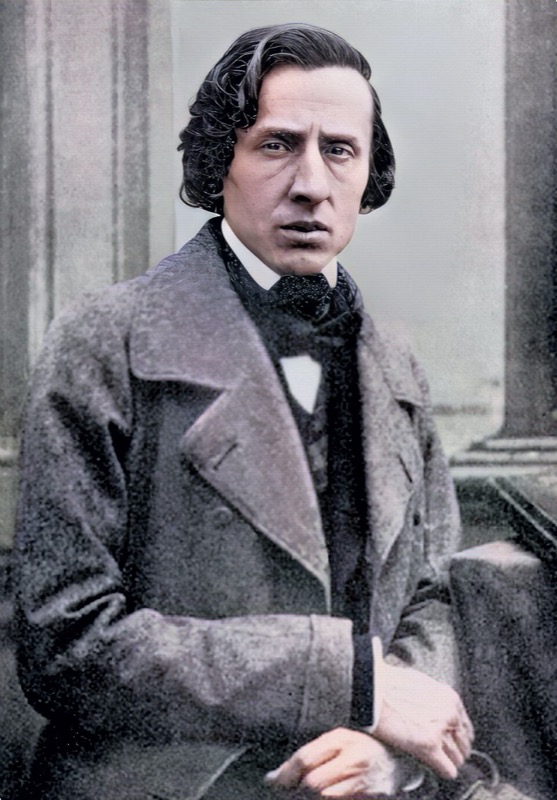
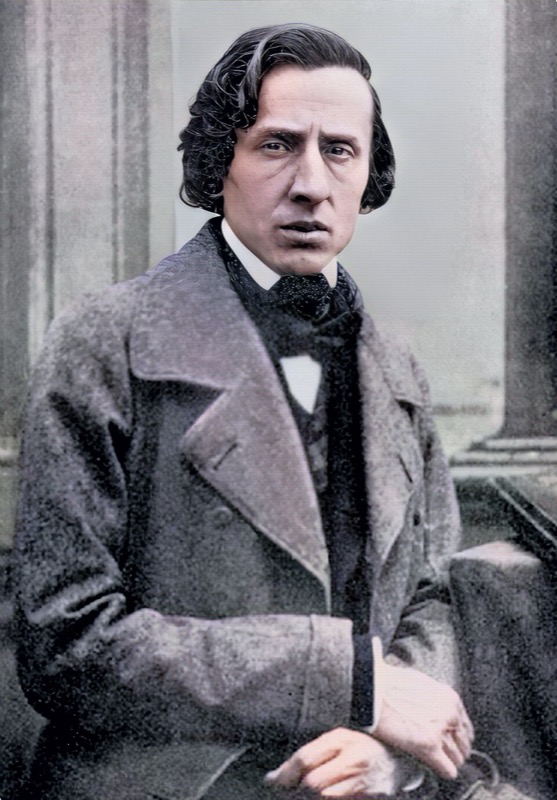
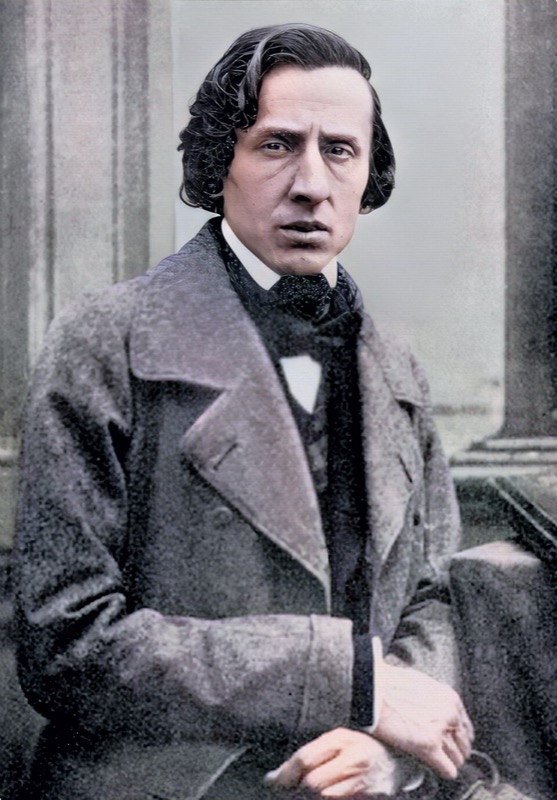
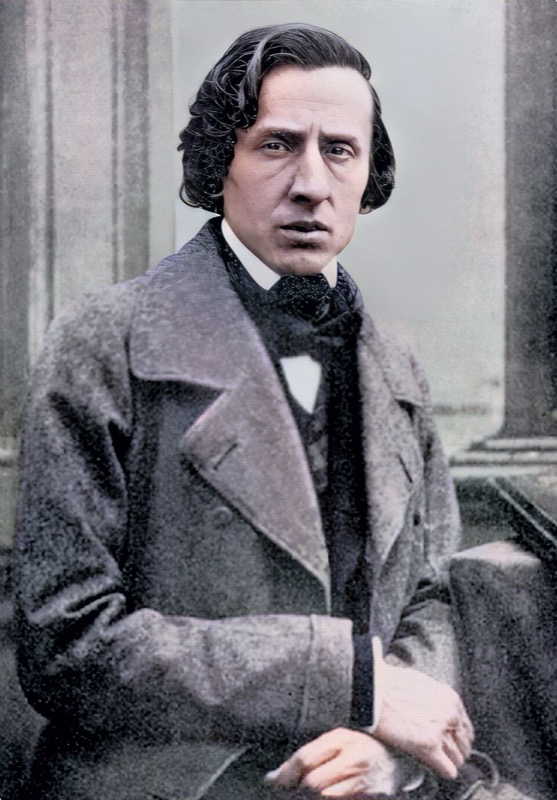
Prelude No. 6 in B minor occupies the sixth position in the Op. 28 cycle, composed during the Majorca winter of 1838-39 and published in 1839. It is unusual in placing the melodic line in the left hand - a singing bass voice that Chopin's pupil Emilie von Gretsch described as 'a cello wailing softly below the right-hand accompaniment.' The right hand provides a quiet, constant rocking figure overhead while the melody moves beneath, a reversal of every convention the student pianist expects.
George Sand, who was with Chopin during the composition of the Op. 28 set, later recalled that on the night a particularly fierce storm broke over the monastery where they were staying, Chopin improvised at the piano 'raindrop preludes' in a state of near-delirium. Scholars have debated for decades which specific prelude she meant - No. 15 with its famous repeated A-flat is the most common candidate - but No. 6 with its persistent repeated notes in the right hand has also been suggested. Whatever its biographical origin, the piece has a hushed, grieving quality that is immediately recognizable.
Practice path
Bring the bass voice forward, push the treble back.
The main challenge is reversing the natural instinct to feature the right hand. The left-hand bass melody must sing at a mezzoforte level while the right-hand accompaniment stays at piano or below. Practice left-hand alone first, shaping each phrase as you would a vocal line - with a sense of phrase peak and slight dynamic ebb at the end.
When adding the right hand, consciously think of it as filler - present but subordinate. A small amount of rubato in the left-hand melody is appropriate, letting the phrase breathe slightly at the top of each arc. The section loop is useful for the two-bar repeated-note passages in the right hand where the notes can inadvertently accent and disturb the balance.
Score basis: Generated MusicXML from Mutopia MIDI. Public domain composition; Public Domain (CC0) - Mutopia; MusicXML generated for Pianodemy. Attribution: Mutopia Project (https://www.mutopiaproject.org/cgibin/piece-info.cgi?id=469).
MIDI source: Mutopia Project (https://www.mutopiaproject.org/cgibin/piece-info.cgi?id=469). Public Domain (CC0) - Mutopia.
Questions
Before you practice.
Short answers for learners and for searchers deciding whether this is the right version to start with.
01What makes Chopin Prelude Op. 28 No. 6 unusual?
The main melody is in the left hand, which acts like a cello voice, while the right hand provides a gentle rocking pattern above it. Bringing out the bass melody without banging is the central challenge.
02How difficult is Chopin Prelude Op. 28 No. 6?
The notes are accessible at intermediate level, but the voicing demands fine touch control: the left-hand melody must sing while the right-hand triplet pattern stays quietly underneath.
How to use this V1
Voice the bass louder than feels natural.
Set tempo to 60% and practice left hand alone with deliberate singing tone for every note - no equality between finger-touch levels; the melody notes carry, the accompaniment yields. At 75% hands together, monitor the balance: if you can hear any right-hand figuration more clearly than the left-hand melody, the voicing has reversed. Wait-for-note mode on the left-hand notes helps fix entries that rush. Light pedal throughout, changing with each bass note to keep the harmony clear without blurring.
Keep going