Interactive piano piece
Learn Consolation, Op. 100 No. 13
A soothing Allegro moderato in C major that teaches gentle chord voicing and a warmly sustained upper voice. The interactive desk loads the chordal texture with synchronized highlighting - use the hand-isolation controls to hear the top-voice melody singing alone before adding the inner chord tones beneath it.
Browser MIDI check pending
Loading score...
Press Play for the full piece, or choose Opening and switch to Wait for note for guided right-hand practice.
About the piece
The antidote to L'Adieu - and a lesson in chord voicing.
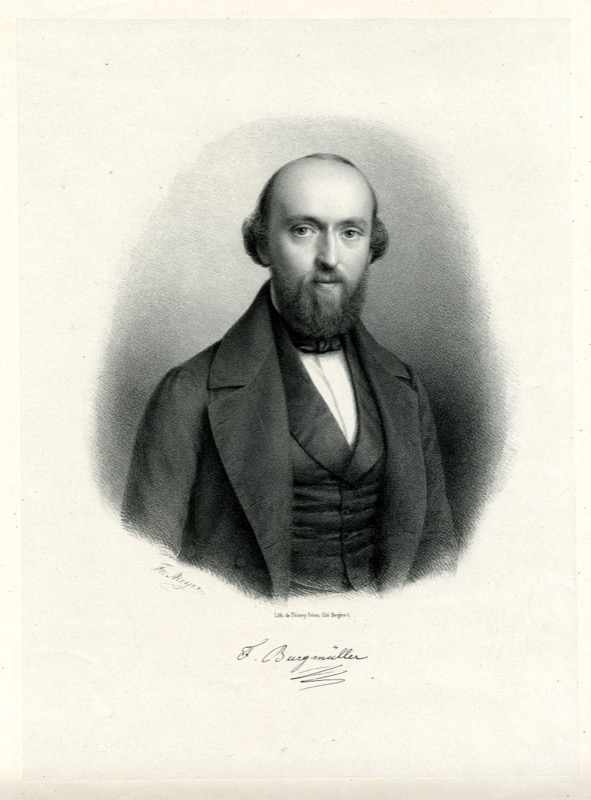
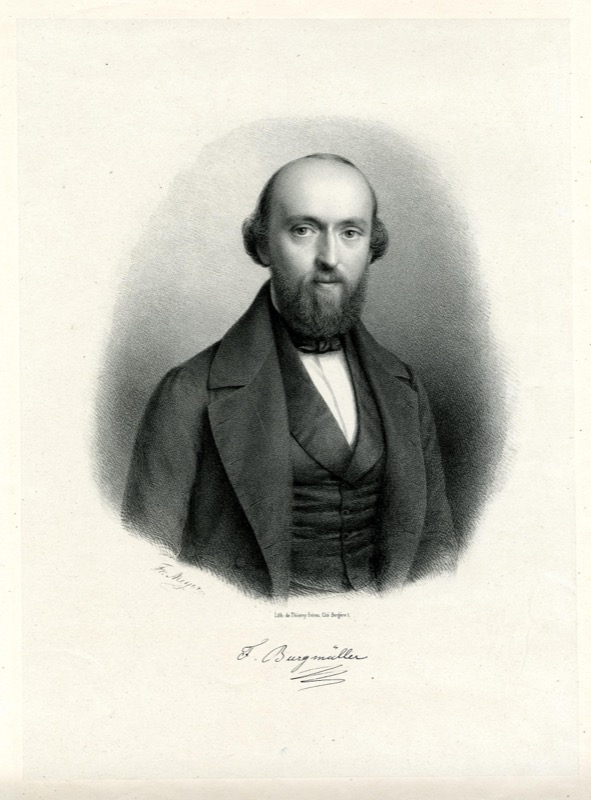
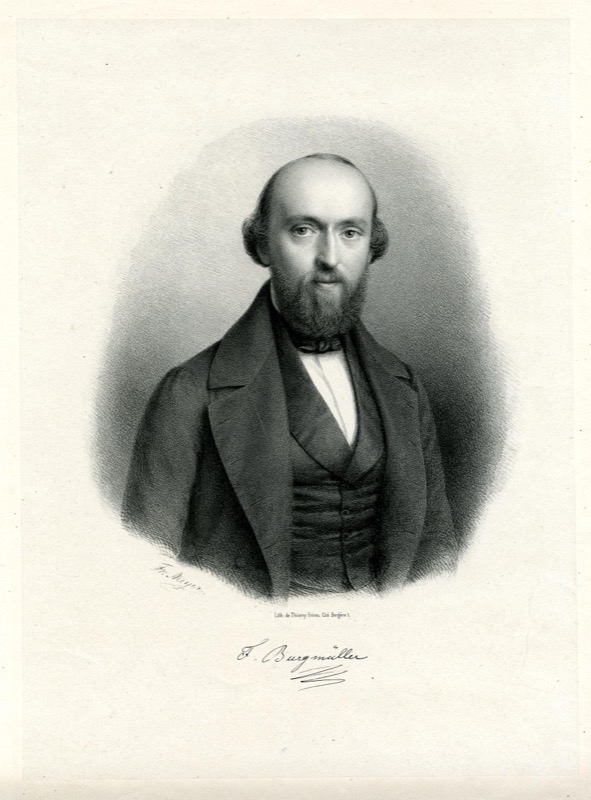
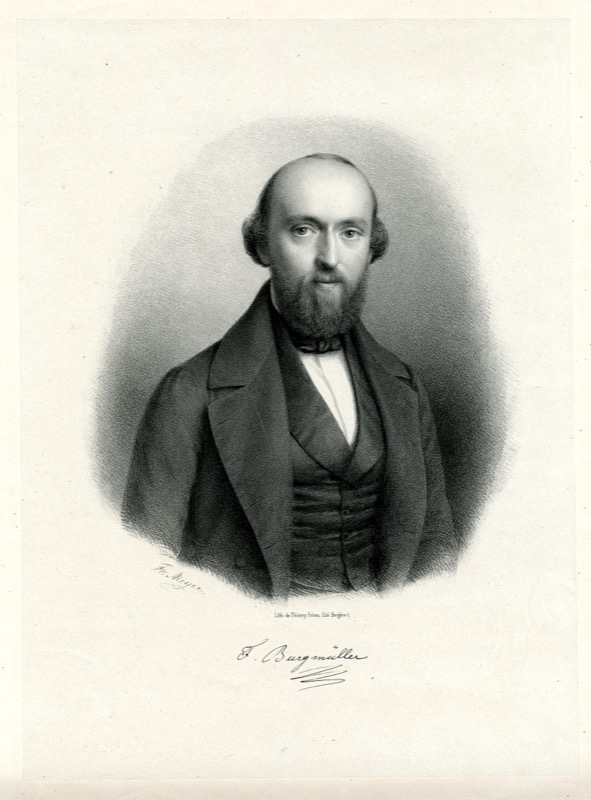
Burgmüller's 25 Études faciles Op. 100, published in Paris around 1838, are the world's most-taught beginner étude set. The order of pieces is deliberate: Burgmüller placed Consolation immediately after L'Adieu to create a paired contrast - the urgency and grief of the farewell answered by warmth and reassurance.
Consolation is in C major, 4/4 time, Allegro moderato. Its texture is chordal: the right hand plays chords throughout, and the lesson is chord voicing - the technique of making the top note of a chord ring out as a melody while the inner notes recede into the background. This skill is the foundation of virtually all Romantic chordal writing, from simple hymn-style accompaniments to Chopin mazurkas. A beginner who can voice chords - who can make one finger louder than the others in the same hand - has gained one of the most transferable skills in piano technique.

Practice path
Teach the top finger to lead.
Before playing any full chord, isolate the right hand and practice pressing the top note (the melody note) noticeably firmer than the inner notes of each chord. A useful exercise: play the chord with only the top finger for four bars so the melody line is clear, then gradually re-add the inner notes at a softer touch. The inner notes should feel like padding beneath the melody, present but unobtrusive. Repeat this test whenever the melody disappears into the chord texture.
Score basis: Generated MusicXML from Mutopia MIDI. Public domain composition; Public Domain (CC0) - Mutopia; MusicXML generated for Pianodemy. Attribution: Mutopia Project (https://www.mutopiaproject.org/cgibin/piece-info.cgi?id=224).
MIDI source: Mutopia Project (https://www.mutopiaproject.org/cgibin/piece-info.cgi?id=224). Public Domain (CC0) - Mutopia.
Questions
Before you practice.
Short answers for learners and for searchers deciding whether this is the right version to start with.
01What mood does Burgmüller Consolation convey?
It conveys warmth and reassurance - a gentle, unhurried quality that contrasts with the urgency of the preceding étude, L'Adieu. The even, flowing 4/4 motion reinforces this sense of calm.
02What does Consolation teach piano students?
It develops the skill of voicing chords - bringing out the top note while keeping inner voices soft - and introduces students to sustaining a melody line through a chordal texture.
How to use this V1
Soothing tone requires active listening.
Set the tempo slider to 70% and listen critically: can you hear a singing melody above the chords, or do all notes arrive at the same volume? If the texture sounds uniform, the voicing is not working yet. Loop four-bar sections and adjust the top-finger pressure until the melody emerges consistently. The warm, consoling character of the piece depends entirely on that vocal quality in the upper voice - the notes themselves are simple, but the tone is everything.
Keep going