Interactive piano piece
Learn La Candeur (Tenderness), Op. 100 No. 1
A cantabile étude in C major that teaches smooth, singing tone from the very first lesson. The interactive desk loads the full score, lets you slow the tempo to a fraction of the marked Andante, and loops any four-bar phrase so your ear internalises the melody before your hands do.
Browser MIDI check pending
Loading score...
Press Play for the full piece, or choose Opening and switch to Wait for note for guided right-hand practice.
About the piece
The piece that opens the most-loved beginner collection in piano history.
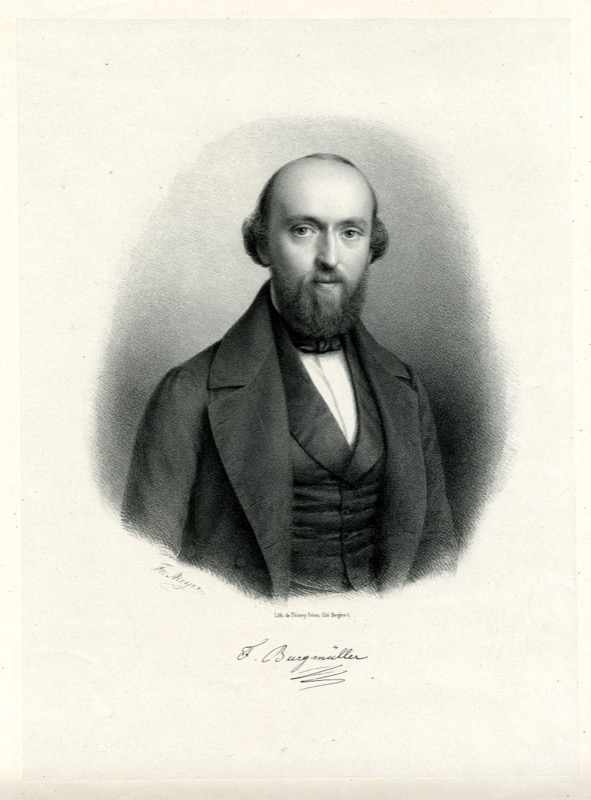
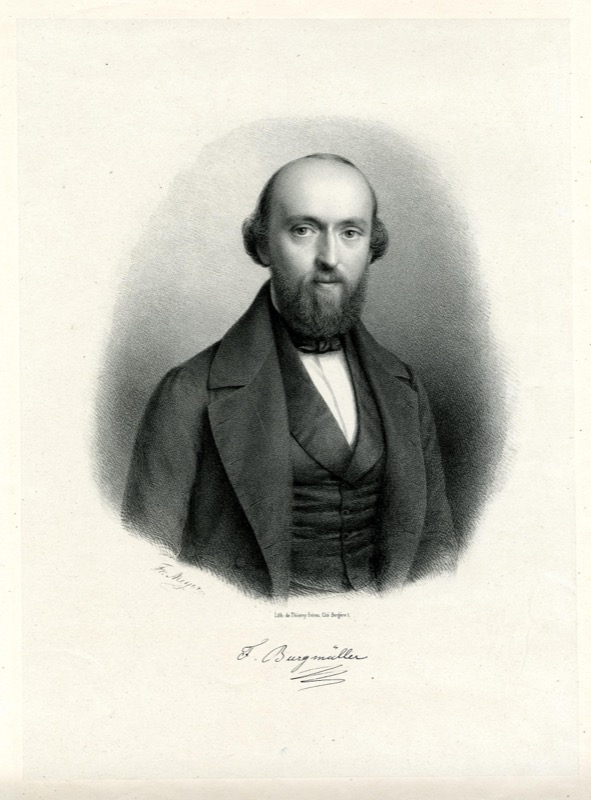
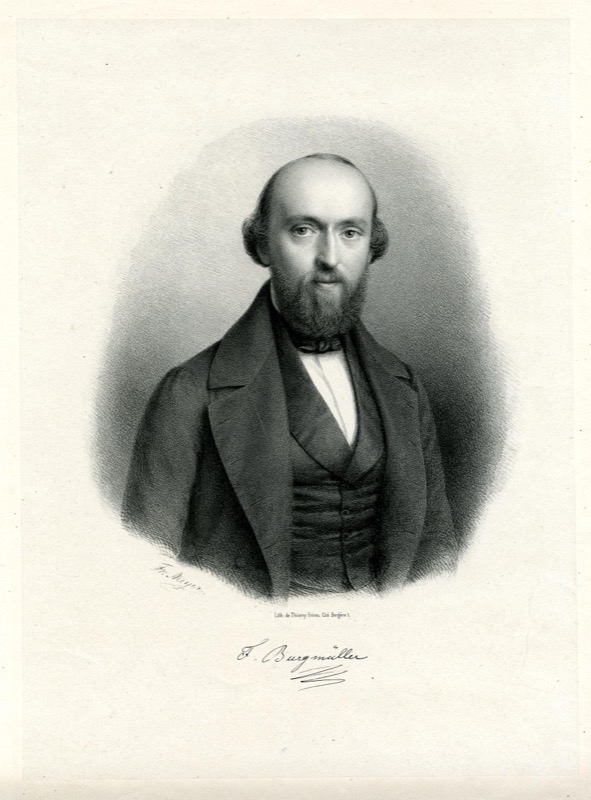
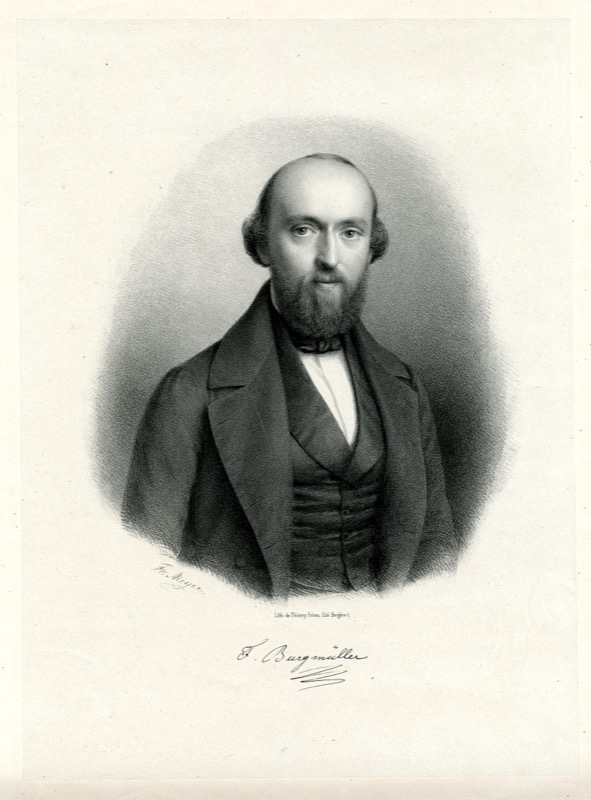
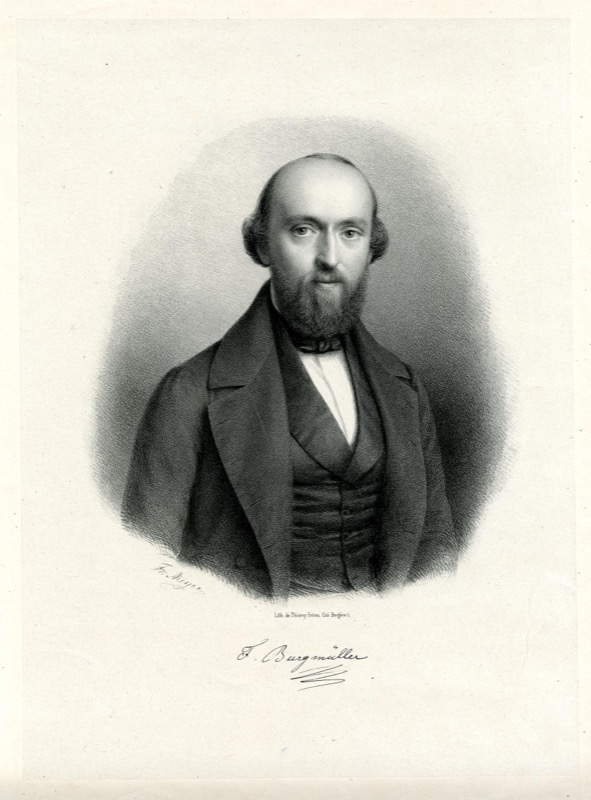
Friedrich Burgmüller published his 25 Études faciles et progressives in Paris around 1838, and they have appeared on beginner syllabi worldwide ever since. Each piece carries a poetic French title and was designed to teach one skill while sounding like a real character piece - not a dry exercise. For 185 years the set has been a teacher's first recommendation after a student masters basic fingering, and it remains exactly that today.
La Candeur - 'Candour' or 'Sincerity' - opens the collection on purpose: it is the most transparent and guileless piece Burgmüller could imagine. In C major with no sharps or flats, 4/4 time, and a melody that rises and falls like a simple declarative sentence, it asks only for an honest, connected sound. The entire technical lesson is legato: keep the right-hand notes joined like syllables in spoken French, never hammering, never trailing off.

Practice path
Sing the melody before you play it.
Hum or sing the right-hand line once through before touching the keys - Burgmüller intended every étude to be heard as a song first. Then learn the left-hand accompaniment alone until it runs quietly and steadily. Combine hands at half tempo and check that the melody always sits just above the accompaniment in volume, never equal to it.
Score basis: Generated MusicXML from Mutopia MIDI. Public domain composition; Public Domain (CC0) - Mutopia; MusicXML generated for Pianodemy. Attribution: Mutopia Project (https://www.mutopiaproject.org/cgibin/piece-info.cgi?id=202).
MIDI source: Mutopia Project (https://www.mutopiaproject.org/cgibin/piece-info.cgi?id=202). Public Domain (CC0) - Mutopia.
Questions
Before you practice.
Short answers for learners and for searchers deciding whether this is the right version to start with.
01What does 'La Candeur' mean?
It is French for 'candour' or 'innocence.' Burgmüller gave each étude a poetic title to describe its character - La Candeur is meant to sound gentle and sincere.
02How hard is Burgmüller Op. 100 No. 1?
It is beginner level, usually assigned in the first or second year of lessons. The melody is in the right hand in C major with no accidentals, and the left hand provides a simple accompanying figure.
How to use this V1
Legato is the only goal.
Use the tempo slider to set playback at 60-70% and confirm every right-hand note connects seamlessly to the next - lift one finger only when the next is fully down. Loop the opening eight bars until the transition from measure 4 to 5 (where the phrase turns back down) is as smooth as the opening rise. The piece is 23 measures; once the legato holds at slow tempo, bringing it to the marked Andante takes a single practice session.
Keep going